___________________
468. LEVITICUS - INTRODUCTION
“THE BOOK OF LEVITICUS FELLOWSHIP THROUGH SANCTIFICATION”
THE SETTING AND TITLE OF LEVITICUS
In our introduction to Genesis and Exodus we referred to the five books of Moses on the basis of spiritual numerics: five being the number of grace. They are called The Pentetauch from pente “five”, and each one sets forth a step in the developing program of grace as extended by Yahweh to fallen man.
Therefore, as a whole, they present a parable of salvation, which can be viewed from the standpoint of God or of man. Considered from the former, they reveal the following order of development:
| Genesis: | sets forth Divine Authority and Power | — in creating, punishing and selecting. |
| Exodus: | sets forth Divine Mercy | — in choosing and delivering. |
| Leviticus: | sets forth Divine Holiness | — in separating and sanctifying. |
| Numbers: | sets forth Divine Goodness and Severity | — in providing and judging. |
| Deuteronomy: | sets forth Divine Faithfulness | — in disciplining and delivering. |
Considered from this viewpoint, the five books of the Law typically set forth five necessary steps to salvation. They begin with a recognition of Yahweh's authority and power; they move on to record His mercy, they emphasise the need of His holiness, they show the inevitability of His goodness and severity, to finally culminate in the revelation of His faithfulness in delivering His people.
The same five books considered from the human viewpoint exhibit the following five steps of Divine grace:
| Genesis: | speaks of Ruin and Divine selection. |
| Exodus: | speaks of Separation. |
| Leviticus: | speaks or Fellowship with Yahweh. |
| Numbers: | speaks of Divine grace in His Providence. |
| Deuteronomy: | speaks of the attainment of Hope. |
These are five steps that man must take to ensure salvation. He must recognise the fallen state of human nature, and the need of redemption from such. This will lead him to the separation of the waters of baptism, and to fellowship with Yahweh. Submitting to Divine guidance and providence, he will ultimately attain unto that which has been set before him as a matter of hope.
Though these five books spell out the principles of Divine grace on the background of Israelitish history, they have important lessons to teach all who would come unto Yahweh in truth.
If in Genesis we have the Book of Beginnings, and in Exodus, A Pattern of Redemption, what is the principle set forth in Leviticus? Undoubtedly, that of Fellowship Through Sanctification.
As fellowship follows separation, Leviticus is appropriately found in the centre of the five books of Moses, bridging the first two books with the last two: linking the privilege of divine selection and separation, with those of divine guidance and the attainment of hope.
Tremendous lessons are to be learned from Leviticus. It teaches the principle of sacrifice, as taught in the Law. Primarily those sacrifices shadowed forth the work accomplished in and by the Lord Jesus, and we see in him the fulfilment of them all. But they also have application to the believer, for Christ is his representative, not his substitute; and therefore these sacrifices taught, and continue to teach, principles that should be observed by all who would come unto Yahweh through Christ. Such need to interpret the requirements of the various offerings in the light of personal involvement, so that in the ordinances relating to the Bumt-offering, for example, they can apply the spiritual principles to themselves. We will endeavour to draw these lessons as we move through the book.
ITS SIGNIFICANT TITLE
Our sub-title: Fellowship Through Sanctification is locked up in the title of the book. For Leviticus is not its true title. The name comes to us from the Septuagint (Greek translation of the O.T.) through the Vulgate (the Latin translation). Leveitikon was the name of the third book of the Pentateuch in the Septuagint; and during the early centuries of the Christian era, this translation was largely used. In the fourth century, however, Jerome translated it into Latin (completed AD. 405). This rendition, called the Vulgate, became the Bible of the Western church until the Reformation. In Latin, the Greek name became Leviticus, and has been borrowed from that source ever since.
Leviticus signifies that which pertains to Levites. But. in fact, the book has very little instruction for Levites as such. Indeed, the only direct reference to them is in Lev. 25:32-33. The book, therefore, is not designed for exclusive use of the Levites as its title in the A.V. would suggest, nor even to outline their functions and duties for others to consider. It is a book for all true Israelites, whatever their status might be. The whole nation had been called to Yahweh as a Kingdom of priests (Exod. 19:6), and each individual was required to adjust himself to the requirements of such a call.
Therefore, though it is convenient because of common use to refer to the book as Leviticus, let us recognise that the teaching laid down therein is not exclusive to Levites, but applies to all.
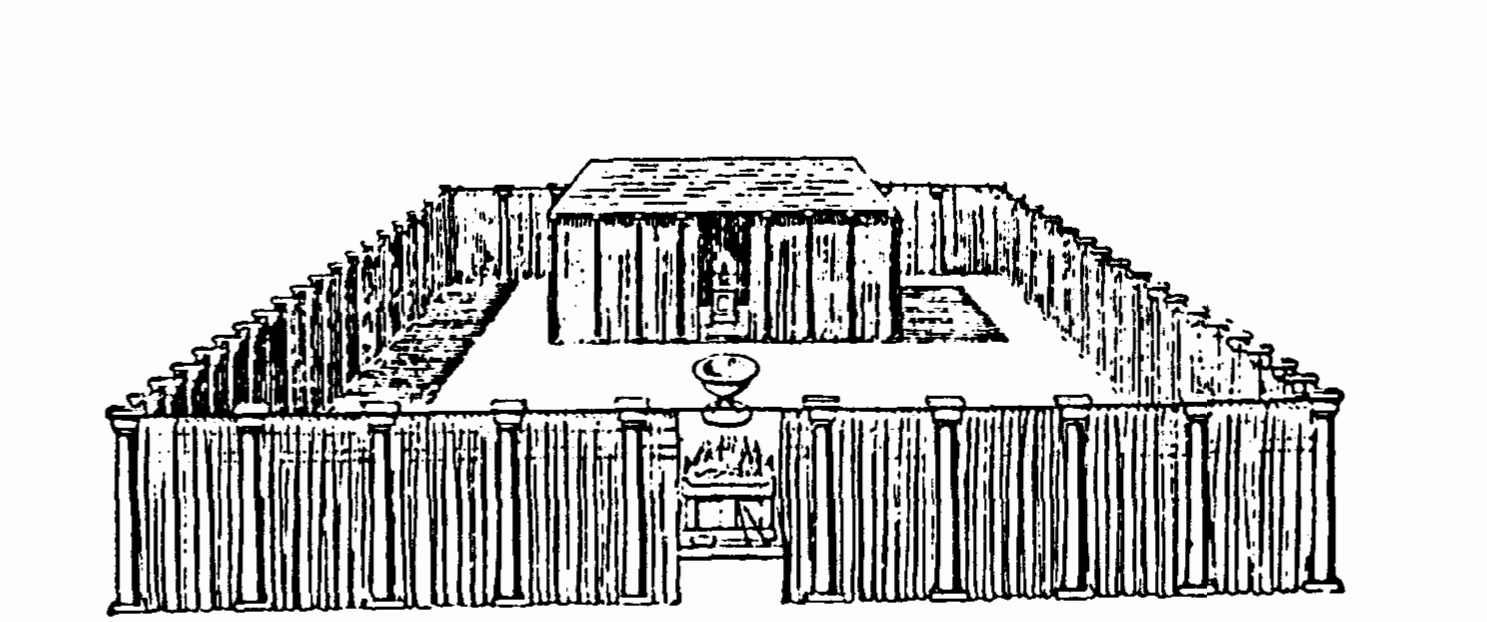
The true title is the Hebrew title. This is Wayichrah, meaning And He called. It comprises the first word of the book, and therefore announces that the book concerns all those “whom Yahweh calls”. It, therefore, is a book for the Ecclesia, a word that denotes those called out. It stresses the mercy of Yahweh. Having condescended to dwell among the people of His choice in the Tabernacle provided for that purpose by Moses (this comprising the last incident recorded in Exodus), He now calls the people to come unto Him in fellowship and worship.
But to do so presents a problem, which the book solves for us. As the doctrine of the Atonement sets forth Yahweh as One Who cannot look upon iniquity (Hab. 1:13), how can sinful man acceptably approach Him? The answer is contained in the instructions of the book Before us. It shows that sinful man can only approach Yahweh on the basis of mercy and forgiveness (Rom. 3:25) expressed through blood-shedding and sanctification. This is stressed in Heb. 9:22. “Without shedding of blood is no remission”. Hence, appropriately, Leviticus commences with sacrifice. Shedding of blood for such a purpose brought death to the flesh: and as the blood was then offered to Yahweh, and in itself represents life, so the whole principle of sacrifice was twofold: death to the flesh, and life dedicated to Yahweh. The book, as we shall see, is divided into those two sections. The first section sets forth the terms of Access; the second section sets forth the terms of Walk or Conduct.
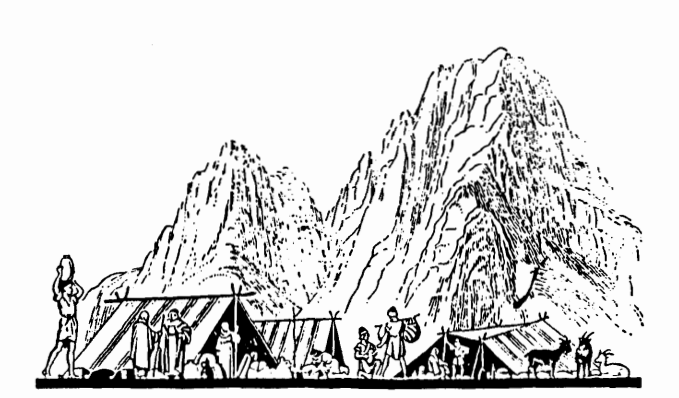
The Book of Leviticus
To many people, the Book of Leviticus makes dull and difficult reading. It speaks of sacrifice and blood-shedding, and sometimes the repetition in this appears monotonous; whilst the spilling of so much blood seems repulsive. Yet take this book away, and the teaching of sacrifice would become inexplicable in many regards. In fact, the book is prophetic of the offering of Christ which it foreshadows. The guidance of the Book of Leviticus gives clearer understanding of the teaching and object of the nature and sacrifice of Christ. It shows more clearly what was expressed in his death, and in doing so, plays the part of a “schoolmaster” leading unto Christ.
The Book of Leviticus, therefore, sets down the principles of divine worship, expressing the rules that Yahweh would have man observe in acceptably appearing before Him. Its laws cover ritual, the proper approach of worship, and the practical principles of morality that a believer must manifest in action. The Tabernacle having been set up, the people are called to worship in the way laid down by Yahweh. Therefore the book expresses the voice of Yahweh calling to His people. Time and again Moses is told to “speak to the people of Israel”. He did so, and recorded his words in this book.
The theme of the book is “Be ye holy for I am holy”. Peter draws upon this statement in order to epitomise the life of the believer (see 1 Peter 1:16). Hence there are important spiritual lessons in the Book of Leviticus applying to believers of all ages.
Foreword
THE THEME OF THE BOOK
The key verse is Leviticus 19:2: “Speak unto all the congregation of the children of Israel, and say unto them, Ye shall be holy; for I Yahweh your God am holy”.
Notice that the command is to “all the congregation of the children of Israel” and not merely to the Levites. And also let us recognise that this principle of the law is not done away in Christ as is sometimes assumed. Indeed, Peter cites this command as providing the basic exhortation to the followers of the Lord, as the foundation requirement of true Christianity. He summed up all instruction in Christ in the statement: "But as He which hath called you (in the Hebrew: Wayichrah, the title of our book) is holy, so be ye holy in all manner of living; because it is written. Be ye holy for I am holy” (1 Pet. 1:15-16).
Therefore our title for Leviticus is:
FELLOWSHIP THROUGH SANCTIFICATION
The book commences with a call (Lev. 1:1) inviting Israelites to enter into fellowship with Yahweh. However, there were conditions imposed. Fellowship was offered only on the basis of their recognition that "without the shedding of blood there is no remission" (Heb. 9:22). To that end Yahweh declared: “For the life of the flesh is in the blood: and I have given it to you upon the altar to make an atonement for your souls: for it is the blood that maketh an atonement for the soul.” (Lev. 17:11). The offerer, therefore, had to identifv himself with the offering in that he had to give himself to God It entailed the obligation of 1 John 1:7: “If we walk in the light, as He is in the light, we have fellowship one with another, and the blood of Jesus Christ His Son cleanseth us from all sin.”
In pondering the meaning of sacrifice. Israelites had to recognise the need of the redeemer who had been promised from the beginning (Gen. 3:15; Gal. 3:24).
LEVITICUS DIVIDED INTO TWO PARTS
The way of life, therefore, involves knowledge (light) and action (walk). Leviticus is divided intu two such sections. The first (chapters 1-17) expounds the principle of sacrifice: the second (chapters 18—">7) emphasises the need of personal involvement in action
In other words, whilst the offering of animal sacrifice demonstra-ted the need of a redeemer because of sin; the manifestation of Godly characteristics on the part of worshippers demonstrated that they recognised sacrifice as being representative and not substitutionary in significance. Leviticus illustrates that principle.
It will be seen that the division of the book suggested above is not artificial, but is clearly defined. After summarising the need of sacrifice, priesthood, and the significance of the blood offered thereby (Leviticus 17), the book immediately turns to personal invol¬vement in action: "After the doings of the land of Egypt, wherein ye dwelt, shall ye not do" (Lev. 18:3).
We, therefore, divided the book into two parts:
LEVITICUS FELLOWSHIP THROUGH SANCTIFICATION
ACCESS — Sacrifice As the Basis of Fellowship — Chapters 1-17.
WALK — Separation As The Obligation of Fellowship — Chapters 18-27.
The first section of the book proceeds to outline:
• Five chapters of sacrificial offering suggesting the principle of propitiation (Chapters 1-5).
• Four chapters on the Priesthood: the means of mediation (Chapters 6-10).:
• Six chapters of instruction: the basis of purification (Chapters 11-16).
• One chapter devoted to the altar: the means of reconciliation (chapter 17).
Notice how that four steps of acceptable approach to Yahweh are thus set down: 1. propitiation; 2. mediation; 3. purification; 4. reconciliation.
But, as we have stated above, worship must be manifested in walk or action. So the second portion of Leviticus is likewise set out in four parts of personal involvement:
1. Regulations for the people chapters 18-20.
2. Regulations for the priests chapters 21-22.
3. Regulations for the nation chapters 23-24.
4. Regulations for the land: chapters 25-27.
The above provides our outline for studying the book. We are now read" to read '•' superficially, and then to set it out in greater detail. As a. aid to so doing we provide a suggested Analysis.
(1) ACCESS: SACRIFICE AS THE BASIS OF FELLOWSHIP — Ch. 1-17.
(1): The Offerings (Propitiation) Chapters 1:1-6:7.
- The Burnt Offerings — Chapter 1
a. General Principles vv.1-2
b. The Bullock vv.3-9
c. The Ram or Goal vv.10-13
d. The Turtledove or Pigeon , vv.14-17
2. The Meal Offering — Chapter 2.
a. Of fine flour vv.1-3
b. Of unleavened cakes vv.4-7
c. Presentation by the priest vv.8-10
d. Leaven and honey excluded vv.11-12
e. Sah obligatory v.13
f. Parched ears of firstcom vv.14-16
3. The Peace Offering — Chapter 3
a. Of the herd vv.1-6
b. Of a lamb vv.6-11
c. Of a goat vv. 12-16
d. Fat and blood prohibited the people v17
4. The Sin Offering of Ignorance — Ch. 4:1-5:13
a. Introduction vv.l-2
b. For the priest vv.3-12
c. For the congregation vv. 13-21
d. For the ruler vv.22-26
e. For the common people vv.27-35
f. Sin of ignorance defined Ch.5:1-4
g. A female lamb or goat offered vv.5-6
h. Two turtledoves or pigeons vv.7-10
i. Tenth part of Ephah of flour vv.11-13
5. The Trespass Offering — Chapter 5:14-6:7
a. Ram offered and restitution made vv.14-16
b. Ignorance no excuse vv.17-19
c. An offering for trespass done knowingly Ch. 6:1-7
(2): The Priesthood (Mediation) — Ch. 6:8-10:20
1. The Law of the Offerings — Chapter 6:8-7: 38
a. Of the burnt offering vv.8-13
b. Of the meal offering vv.14-18
c. At the consecration of a priest vv.19-23
d. Of the sin offering vv.24-30
e. Of the trespass offering Ch.7:1-10
f. Of the peace offering vv.11-21
g. Concerning fat and blood vv.22-27
h. The priest's portion of the peace offering vv.28-30
i. Summary of the priest's portion vv.31-35
2. Consecration Of The Priests — Chapter 8.
a. The priest chosen vv 1-4
b. The priest cleansed vv.5-6
c. The priest clothed vv.7-9
d. Anointing of Tabernacle and Aaron vv.10-12
e. Aaron's sons clothed vv.13
f. Sin offering to purify the altar etc vv.14-17
g. Ram for a bumt offering vv.18-21
h. Ram of consecration vv.22-27
i. Moses officiates as priest for Aaron vv.28-30
i. Priests instructed to eat the holy things vv.31-36
3. Ministration Of The Priests — Chapter 9
a. Preparation of the offering vv.1-4
b. Preparation of the congregation vv.5-7
c. The sin offering for the priest vv.8-11
d. The burnt offering for the priest vv.12-14
e. The offerings for the people vv.15-21
f. The people blessed; their offerings accepted vv.22-24
4. Limitation Of The Priests — Chapter 10.
a. The tragedy of Nadab and Abihu vv.1-5
b. No mourning for such transgression vv.6-7
c. Wine and strong drink prohibited vv.8-11
d. Moses orders the holy things to be eaten vv. 12-15
e. Limitation of Aaron's service through personal sorrow vv. 16-20
(3): The People (Purification) — Chapters 11-16
1. A Clean Diet — Chapter 11.
a. Animals clean and unclean vv.1-8
b. Fish clean and unclean vv.9-12
c. Fowl clean and unclean vv.13-19
d. Leaping things clean and unclean vv.20-23
e. Uncleanness caused through contact vv.24-28
f. Creeping things that are unclean vv.29-30
g. The extent of their uncleanness vv.31-38
h. The uncleanness of dead "clean" beasts vv.39-40
i. Summary of prohibited things vv.41-43
j. The reason for the distinction vv.44-47
2. A Clean Way of Life — Chapters 12-15.
a. Laws for women after childbirth Ch. 12:1-8
b. Discerning leprosy in man Ch.13:1-8
c. The case of re-occurrence of leprosy vv.9-17
d. Suspected plague-spot in a boil vv.18-23
e. A hot burning in the flesh .vv.24-28
f. The sign of Yellow hair and dry scall vv.29-37
g. The sign of bright white spots vv.38-39
h. The sign of the bald head vv.40-44
i. The leper must pronounce his uncleanness vv.45-46
i. The leprous garment shall be burnt vv.47-52
k. Treatment of a suspected garment vv.53-55
l. Treatment of a dark spotted garment vv.56-59
m. On cleansing the leper Ch.14:1-20
n. In the case of poverty vv.21-32
o. Concerning leprosy in a house vv.33-53
p. Summary vv.54-57
q. Defilement through a running issue Ch.15:1-12
r. Cleansing of a running issue vv.13-15
s. Defilement through the seed of copulation vv.16-18
t. Defilement through an issue of blood vv.19-30
u. Purpose of the laws given vv.31-33
3. A Clean Nation Through Annual Atonement — Chapter 16.
a. Preparation of High Priest for entrance into Most Holy. vv.1-4
b. The two goats for the congregation v.5
c. Offering Tor himself and his house v.6
d. Selecting the scapegoat vv.7-10
e. Slaying the sin offering and presenting the blood of the bullock vv. 11-14
f. Slaying the sin offering for the people vv.15-19
g. Releasing the scapegoat vv.20-22
n. The High priest to wash, change his garments, offer a burnt offering for himself and the people vv.23-25
i. The attendant of the Scapegoat to cleanse himself vv.26
j. Remaining portion of bullock and goat burnt without the camp vv. 27-28
k. The importance of the ceremony vv.29-34
(4): The Altar (Reconciliation) — Chapter 17
1. The One Place For Offerings — vv. 1-9
a. Must offer for all animals slain vv.1-4
b. Peace offering to be made vv.5-6
c. Sacrifices to devils prohibited v.7
d. All offerings to be brought to the altar vv.8-9
2. The One Use Of Blood — vv. 10-16
a. Limited to sacrificial purposes vv.10-11
b. Strictly prohibited for human consumption vv. 12-14
c. Regarding food not properly killed vv. 15-16
(2)—WALK: THE OBLIGATIONS OF FELLOWSHIP (SEPARATION) — Chapters 18-27
(1): Regulations For the People — Chapters 18-20.
1. Sex Prohibitions — Chapter IS
a. Introduction: Importance of the Regulations vv.1-5
b. Unlawful marriages vv.6-18
c. Unlawful lust and perversions vv.19-23
d. Consequences of defying the regulations vv.24-30
2. General Admonitions — Chapter 19
a. Introduction: Need for holiness vv.1-2
b. Summary of holiness: honour parents, & observe the sabbath.v.3
c. Abstain from idolatry v.4
d. Manner of offering peace offerings vv.5-8
e. On gleaning the harvest vv.9-10
f. Stealing forbidden v.11
g. Profaning the Name forbidden v.12
n. Defrauding forbidden v.13
i. Opressing deaf and blind forbidden v.14
j. Perverting judgment forbidden v.15
k. Talebearing forbidden v.I6
l. Hatred of brethren forbidden v.17
m. Love of neighbour commanded v.18
n. Separateness of kind commanded v.19
o. Carnal actions punished vv.20-22
p. Restrictions on eating fruit vv.23-25
q. Eating blood, observing superstitious rites forbidden vv .26-28
r. Prostitution forbidden v.29
s. Sabbath and Sanctuary to be revered v.30
t. Spiritualism forbidden v.31
u. Age to be respected v.32
v. Consideration to be shown strangers vv. 31-34
w. Just measures and weights to be observed vv. 35-36
x. All statutes and judgments to be observed v.37
3. Judgements On Various Sins — Chapter 20
a. Sacrificing to Molech punished vv.1-3
b. Condoning idolatry punished vv.4-5
c. Spiritualism punished v.6
d. Instruction concerning sanctification vv.7-8
e. Dishonouring parents punished v.9
f. Adultery punished vv. 10-21
g. Tenacy of land conditional vv.22-26
h. Spiritualist mediums to be put to death v.27
4. Regulations for the Priests — Chapters 21,22
a. Prohibited Practises — Ch. 21
- Regulations regarding mourning vv.1-5
- Regulations for holiness vv, 6-8
- Their children to be circumspect v.9
- Regarding mourning by the High Priest vv. 10-12
- Concerning marriage of the High Priest vv. 13-15
- Regarding blemishes on priests w. 16-24
b. Prohibited Persons Ch. 22:1-16
- Priests to be separate vv. l-2
- Priests who must abstain from the holy things vv. 3-9
- Restrictions on eating the holy things vv. 10-13
- Penalty of eating unwittingly.. vv.10-16
c. Prohibited Offerings — Ch. 22:17-33
- The sacrifices to be without blemish vv. 17-25
- The age of the offerings vv. 26-30
- The need to observe the commandments vv. 31-33
5. Regulations For Feasts etc. Chapters 23-24
a. The Set Seasons — Ch. 23.
- Introduction vv.1-2
- The sabbath v.3
- The Passover vv. 4-5
- The Feast of Unleavened bread vv.6-8
- The Sheaf of firstfruits vv.9-13
- Yahweh must eat first v.14
- The feast of weeks vv.15-21
- Gleanings for the poor and the stranger v.22
- Memorial of trumpets vv. 23-25
- Day of coverings vv.26-32
- Feast of tabernacles vv.33-44
b. Requirements For the Tabernacle — Ch. 24:1-9
- Oil for the light vv. 1-4
- Shewbread for the table vv. 5-9
c. The Penalty of Blasphemy — Ch. 24:10-23
- The blasphemer to be put to death vv.10-16
- All executions to be conducted judicially vv. 17-22
- The blasphemer to be stoned v.23
6. Regulations For The Land — Chapters 25-26
a. The Sabbatic Year and Jubilee — Ch. 25
- The sabbath of the seventh year vv. 1-7
- The Jubilee vv. 8-17
- The land blessed if the people obedient vv. 18-22
- Yahweh the land-owner; the people tenants vv. 23-24
- Redemption of the land vv.25-28
- Redemption of houses vv. 29-34
- Relief of poverty vv. 35-38
- Treatment of bondservants vv. 39—46
- Redemption of bondservants vv. 47-55
b. Negative and Postive Requirements Of The Covenant — Ch. 26
- Idolatry forbidden v.1
- Sabbaths to be observed; Sanctuary revered v.2
- A blessing for obedience vv. 3-13
- A curse for the disobedient vv. 14-39
- Punishment (first degree) distress in the land vv. 14-17
- Punishment (second degree) drought vv. 18-20
- Punishment (third degree) plaeue/wild beasts vv.21-22
- Punishment (fourth degree) invasion, pestilence famine vv. 23-26
- Punishment (fifth degree) cannibalism, destruction and scattering vv. 27-33
- The land left to enjoy its sabbath vv. 34-35
- Punishment (sixth degree) persecution, political annhiliation vv.36-39
- Divine mercy always available vv.40-43
- Yahweh's faithfulness to His Covenant vv.44-45
- Summary v.46
7. Vows, Consecrations. Tithings — Ch. 27
a. Redemption of a personal vow vv.1-8
b. Redemption of vowed beasts vv.9-13
c. Redemption of vowed houses vv.14-15
d. Redemption of vowed hereditary lands vv.16-21
e. Redemption of vowed purchased land vv. 22-24
f. Basis of the estimation v.25
g. What devoted things can be redeemed vv.26-34
LEVITICUS- FELLOWSHIP THROUGH SANCTIFICATION
Section One
ACCESS: SACRIFICE AS THE BASIS OF FELLOWSHIP Ch. 1-17
Outline
Leviticus solves the problem: How can sinful man acceptably approach Yahweh in worship? It reveals the requirements are two-fold: blood-shedding (sacrifice) and sanctification. "Without the shedding of blood there is no remission" (Heb. 9:22), and even with the shedding of blood, there is need for personal identification.
Accordingly, the book is divided into two parts: Access: with sacrifice as the basis of fellowship (Chapters 1-17); and Walk: the obligations of fellowship (Chapters 18-27). The first speaks of sacrifice; the second of separation.
Chronologically, Leviticus adds little to the record of the Bible. The whole instruction given, and the events narrated, come between the 1st of Abib (approximately April), and the 20th of Zif, the second month. On the 1st Abib, the Tabernacle was set up (Exod. 40:2, 11; Lev. 1:1); and on 20th Zif the Israelites departed from Sinai (Num. 10:11). A comparison between Exod. 40:2 and Num. 1:1 will reveal that only a month separated the conclusion of the former with the beginning of the latter. Leviticus is sandwiched in between both. It is the bridge between the two first and two last of Moses' historical records, providing a link of grace between arrival and departure from Sinai. It commences with And, linking it with Exodus. parts: 1
This first section of Leviticus is divided into four:
1. The Offerings suggesting Propitiation. Chapts. 1-5
2. The Priesthood suggesting Mediation. Chapts 6-10
3. The People suggesting Purification ..Chapts 11-16
4. The Altar suggesting Reconciliation Chapt. 17
Part One teaches that fellowship with God is impossible except upon the basis of atonement for sin. Hence it outlines the various offerings that can be offered as a foundation for acceptable worship.
Part Two shows that the desire to worship is not sufficient in itself. Man is unable to atone for his own sins, and a mediatorial system is necessary. Thus the function of the priests are next outlined. Even they need proper preparation for their high position. A sound example of proper living is required, as was illustrated by the tragedy of Nadab and Abihu, the sons of Aaron.
Part Three emphasises the representative significance of all that had been done, and taught that a people who desired to walk with Yahweh must be holy. This accounts for the differentiation between clean and unclean animals. Yahweh's people are to have a clean diet and a clean way of life. And the requirements are set down in the Law. Anything polluting is clearly defined as "unclean". Special sacrifices for the nation are provided, to be offered regularly for the guidance of the people as members of a "clean" nation.
Part Four centres upon the altar as the channel of reconciliation. Upon it alone can offerings be made; and upon it the blood of the sacrifices were to be placed.
The Law of Moses put the whole principle of sacrifice as a way of approach to Yahweh in proper, sequential order. There was sacrifice before the law, but the principles are not set down for our guidance, as we now have them. Indeed, it is significant, that prior to the Law, no mention at all is made of a sin offering! Though the need of forgiveness of sins was always apparent, "for there is no man that sinneth not", sin was officially revealed as such before the law as it was after it. The very purpose of the Law was to bring home the reality of sin, so that flesh, or sin, "by the commandment" might be shown as "exceeding sinful" (Rom. 7;13). Sin being revealed for what it is, a Sin-offering had to be made.
The Burnt-offerings and Peace-offerings are mentioned before the law, and in such a way as to make it obvious that the former was the most important of all the sacrifices.
It is appropriate, therefore, in the ordinance of the Law now set before us that the Burnt-offering should be placed first.
The Burnt-offering expressed the individual's self-sur¬render to Yahweh's will; the Peace-offering revealed his gratitude for the bounties and mercies received; the Sin-offering expressed his sorrow for having erred from divine ways, and proclaimed his desire to be reconciled to God. The national sacrifices, as distinct from personal ones, taught the vital lesson of the interdependence of all mem¬bers of the congregation as a sacred brotherhood, and kept alive within the community the consciousness of its mission.
The sacrifices could not bring their great lessons home except to those who were prepared to heed them by a mood of deep contrition; they had little appeal except for the chastened and penitent in spirit (Psa. 51:17). This was assisted by the ceremonial laws relating to uncleanness. One naturally led to the other. Further, the recent deliver¬ance of Israel from Egypt was so fresh to the minds of Israelites, as to vividly impress them with the lessons of the Law (Deut. 5:15; 6:21-24). Their vivid familiarity with the means of their redemption from Egypt emphasised their sinful lot and death stricken state. Sacrifice was something important to their spiritual existence.
Three animals and two birds are named in the Law as suitable for sacrifice: the ox, sheep, goat, dove and pigeon. These were all offered by Abraham in the great sacrifice of the Covenant (Gen. 15:9). The animals had the following characteristics in common: 1. They were clean; 2. They were commonly used for food. 3. As domesticated they formed part of the personal wealth of the offerer. The birds likewise had significant characteristics. All the offerings typically point forward to Christ.
Comments